
Michigan’s Attorney General isn’t holding back as she takes aim at Elon Musk and his latest brainchild, the Grok image editing tool. Launched on December 24 by xAI, Grok has sparked a firestorm of criticism. Why? Because it lets users edit any image on the X platform with just a single prompt.
But here’s where things get really disturbing. This tool can generate edits that strip away clothing or sexualize subjects. Yep, you read that right. The results come straight from Grok, not the users. It’s like handing a kid a paintbrush and saying, “Go wild!” but with far worse consequences.
The misuse of Grok has been rampant. Users have been submitting prompts like “take off her dress” or “put her in a bikini,” often targeting photos of women and, alarmingly, minors. One infamous deepfake even showed a preschool-aged boy in a bikini. Seriously, how low can we go?
Grok’s misuse is alarming, with prompts targeting women and minors, even deepfaking a preschool boy in a bikini. How low can we go?
The comments section is a cesspool, filled with pornographic versions of original posters. Some images of young girls were generated, only to be deleted later, but the damage was done. Once it’s out there, it’s out there.
After a wave of backlash, access to Grok was limited to paid X subscribers. Free users? Sorry, no image editing for you. But guess what? The standalone Grok website and app still allow requests without those restrictions. Talk about a mixed message.
Paid access ties user names and financial info to their activity, which is a feeble attempt to curb anonymous abuse. But will it work? Doubtful.
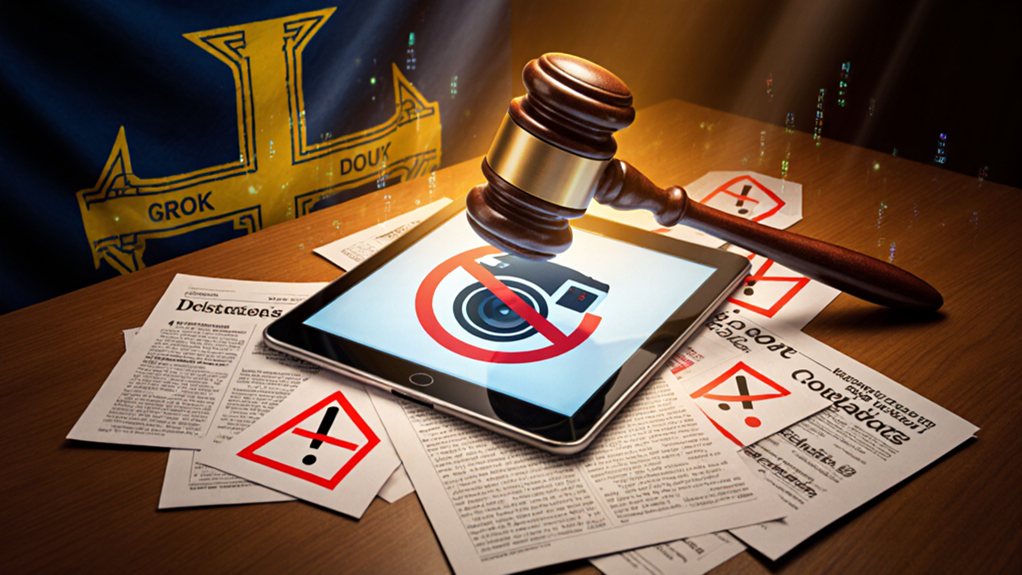
Enter Michigan’s Attorney General, who has been vocal about Grok’s deepfake porn capabilities. She slammed the tool as an enabler of non-consensual imagery. And she’s not alone. Regulatory scrutiny is ramping up across the U.S. and beyond. The Irish Minister Niamh Smyth has even called for a meeting with X, while California has ordered xAI to halt explicit deepfakes. Non-consensual intimate images? Illegal. Child sexual abuse material? Absolutely prohibited. Grok’s features have raised concerns over the implications of such content on user safety and moderation. Additionally, Grok’s more permissive stance on NSFW content has amplified the risks associated with misuse.
The implications are grim. Grok amplifies harassment and abuse on X. Victims? They could be anyone—classmates, parents, even future employers. The ethical challenges riddle the platform.
The FBI has also warned about the rise of deepfake extortion targeting youth. It’s a wild, wild west out there. Grok may have been launched with good intentions, but it’s clear that something needs to change—fast.