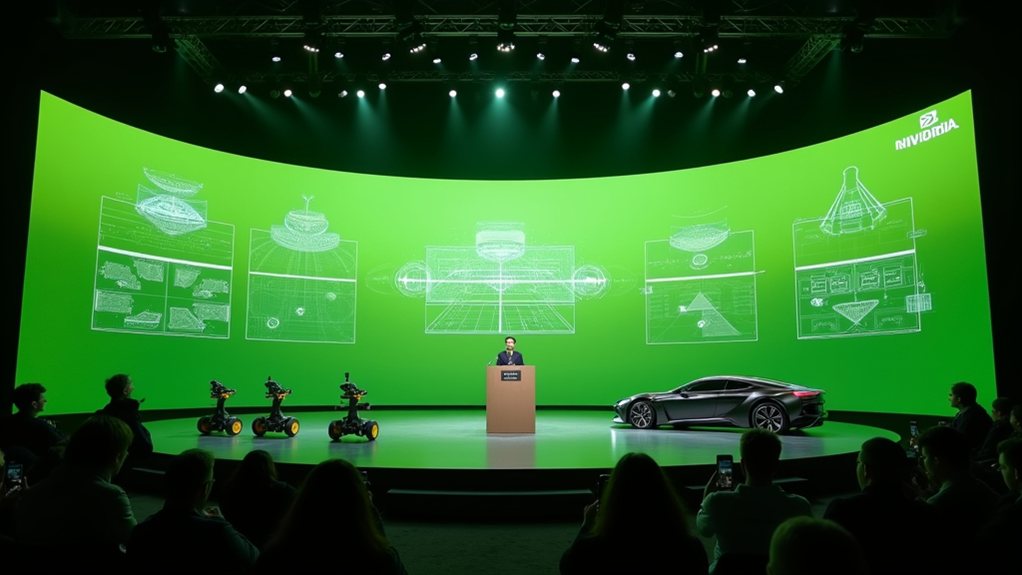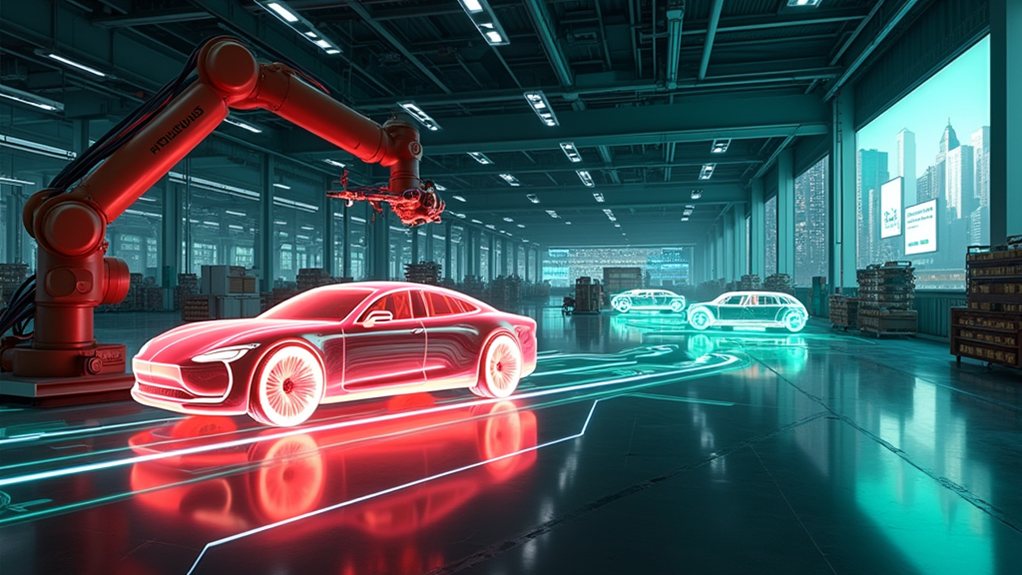

In a world where manufacturing is often seen as drudgery, a game-changing spectacle is unfolding in Seoul. Envision this: a massive 1620 m² 3D curved LED screen in Gangnam, blasting a 30-second film that captures the car creation journey like never before. From November 1 to 28, this dazzling display targets a staggering 7.5 million passersby, showcasing how artificial intelligence is rewriting the rules of manufacturing. The film dives into a five-part story of how virtual twins, generative design, and robotics come together to create cars. It’s like a blockbuster movie for the factory floor, and it’s all happening right on the busy streets of Seoul.
The magic of virtual twins is where this transformation kicks into high gear. These digital replicas allow factories to simulate changes and test layouts without the mess of real-world failures. Imagine tweaking a factory’s design in a 3D environment and seeing the results in real-time, all while collecting operational data to make predictions. It’s revolutionary! This technology isn’t just about making things pretty; it’s about perfecting processes before they even hit the assembly line. The campaign features a giant 3D, LED, curved COEX screen in Seoul, and who doesn’t want to avoid costly mistakes? Virtual twins help reduce development time in manufacturing, allowing for faster iterations and improved product quality.
Then there’s the AI-driven processes. Generative design is spitting out digital car prototypes faster than you can say “innovation.” Robotic arms, machines, and humans are all working in perfect harmony in a virtual assembly line. Data flows in constantly, driving improvements from the drawing board all the way to the consumer’s driveway. It’s a symphony of technology, and if you can’t appreciate that, maybe it’s time to reassess your definition of cool.
Korean manufacturing is at the center of this storm, with over 20,000 companies jumping on the AI bandwagon. Collaborations with tech giants like NVIDIA are pushing the boundaries of what’s possible in smart factories. It’s not just a trend; it’s a necessity. With skilled worker shortages and market demands skyrocketing, this transformation is the answer everyone has been waiting for.
Let’s be real: the old ways are crumbling. Digital twins are the new watchdogs, spotting inefficiencies before they wreak havoc. AI-driven quality control? It’s a lifesaver, detecting defects and ensuring safety like a hawk. As factories embrace adaptive production, they’re setting the stage for a future that’s more efficient, precise, and, frankly, a lot less boring.
Welcome to the new age of manufacturing. It’s not your grandfather’s factory anymore.